More Than Just a Belay
Why Your Climbing Partner is Critical to Your Success
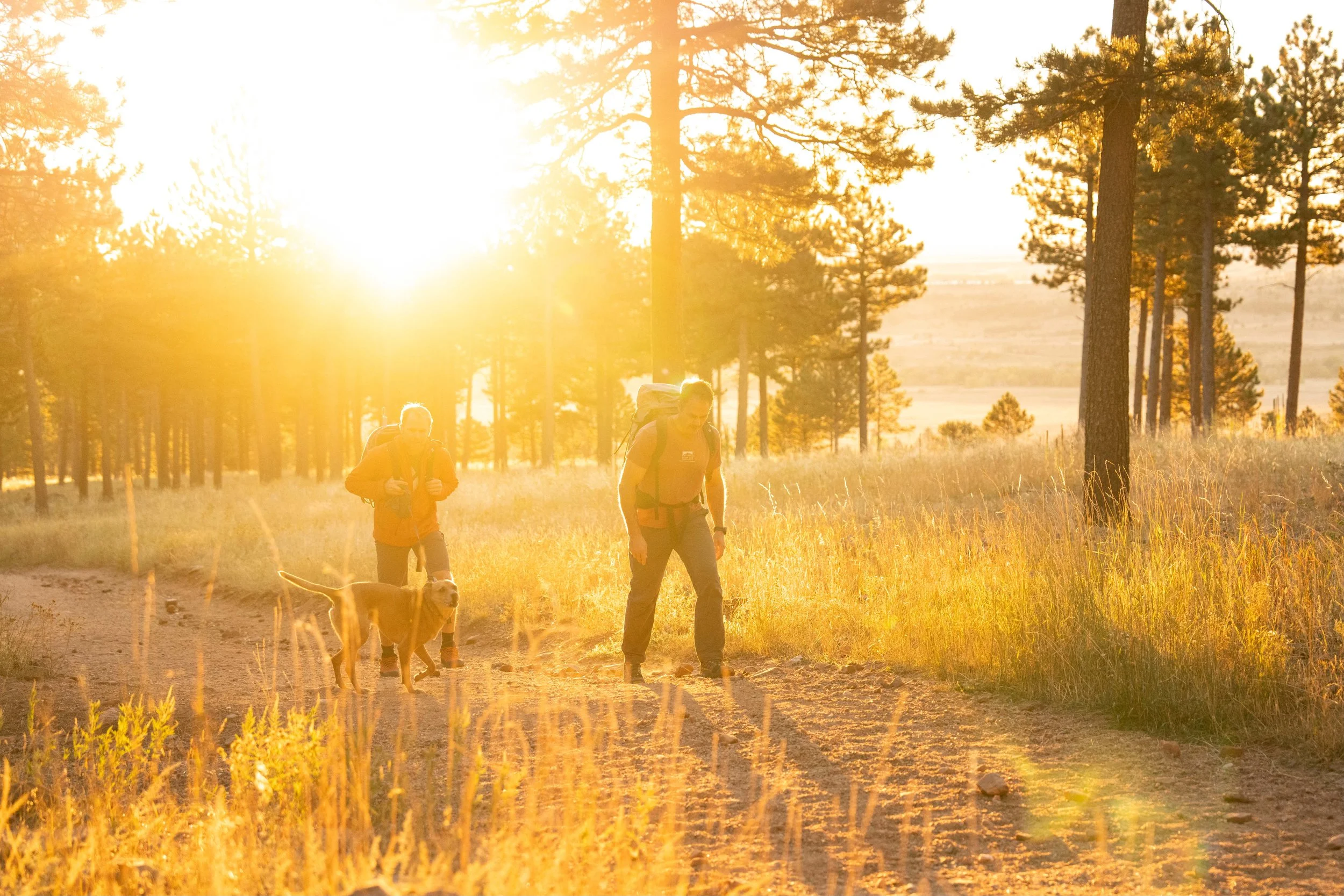
Dawn patrol hike into the Flatirons to make the most of the day.
Who you choose to climb with can have a massive impact on your performance and overall experience. For many young, highly motivated climbers, performance is the primary driver for selecting a partner. But as you gain more experience, you realize that your peak days often vary wildly depending on who is on the other end of the rope.
Partners aren't interchangeable. Some push you to try harder, reaching unforeseen levels of physical and mental effort. Others help you tap into a deeper well of courage, allowing you to "run it out" or skip a bolt to reach a high point. Then there are those partners who fulfill a deeper, more emotional need, allowing you to feel seen and heard.
The choice of a climbing partner can be unappreciated, yet critical, factor in the outcome of any climbing day. The motivated climber subconsciously seeks partners who can unlock their potential. 3 Types of partners and the possible outcomes they unlock your climbing partners can generally be grouped into categories based on the different and valuable outcomes they help you achieve.
1. The Performance Accelerator
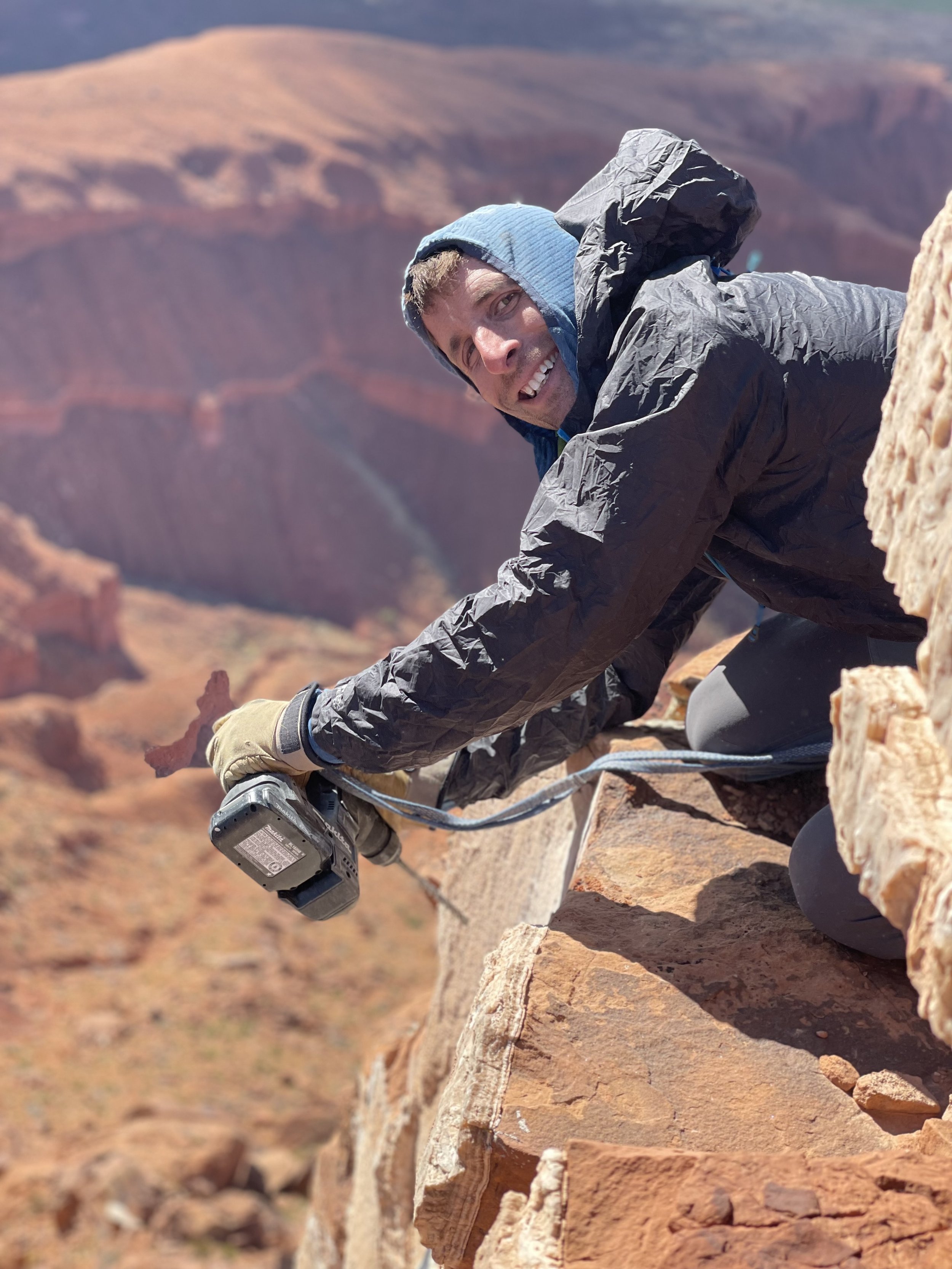
These partners possess an almost intangible ability to elevate your game. They create an environment where you feel obligated to try harder and reach for higher levels of effort. They may also be the person who will favor making sacrifices in their daily life to schedule climbing during the best possible conditions window, or the insightful, empathetic partner who has the curiosity to help you discover the perfect beta.
Example Outcomes:
You send your project because they inspire a breakthrough in physical effort.
They help you find the precise body position that makes a hard move feel easy.
They ensure you are climbing during the optimal weather conditions.
2. The Mental Strength Tester
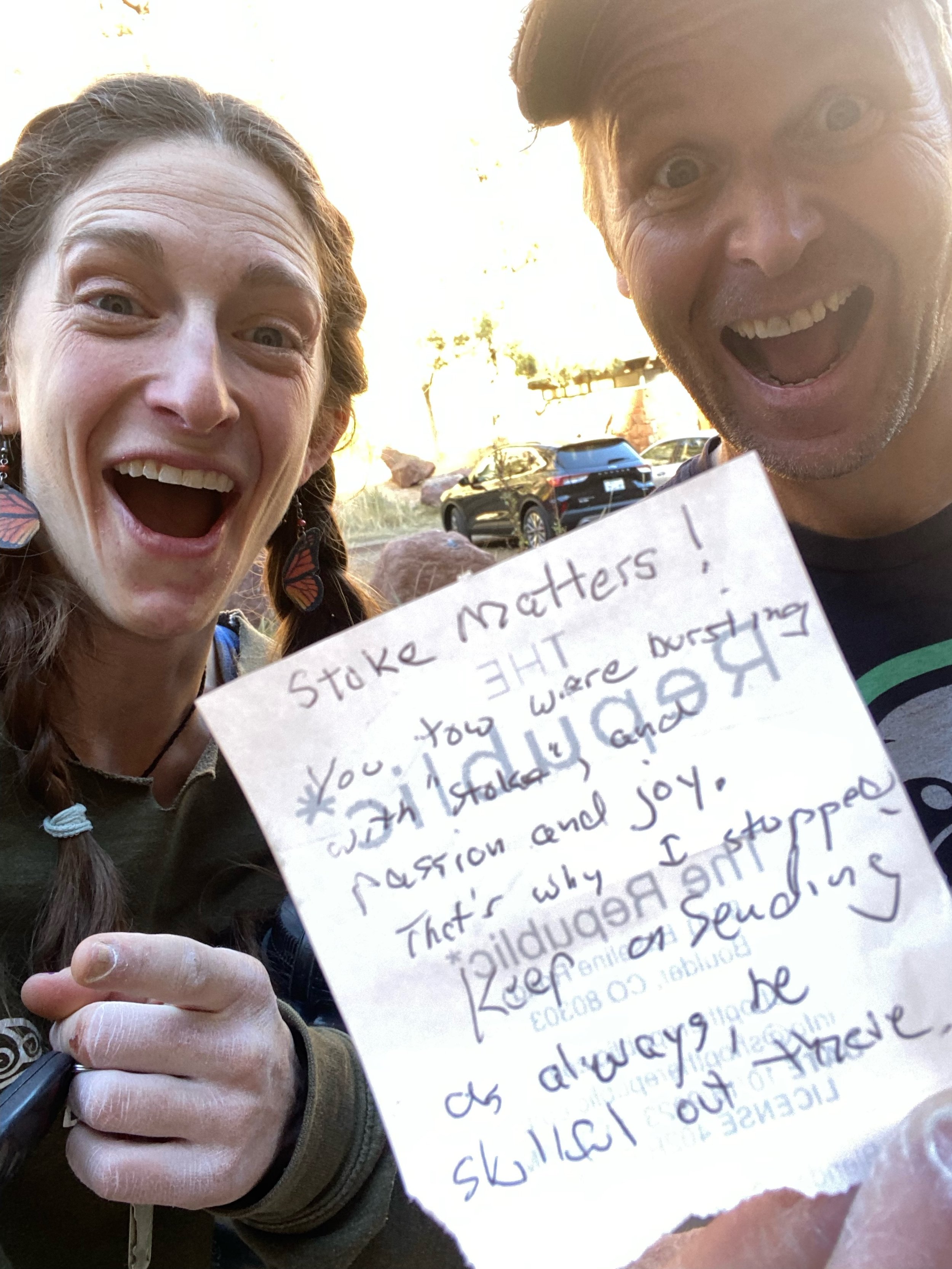
These partners are experts at helping you determine if you have the mental fortitude to take bold action. They ask insightful questions or hold a mirror up to your motivations to ensure your mindset is right for taking on risky odds. This shared understanding of risk and reward fosters a unique kind of trust that can lead to breaking through perceived ceilings.
Example Outcomes:
A partner who is honest about their own distractions, prompting you to calculate the odds with clear-eyed realism.
An experienced partner who ensures you are properly prepared and informed, increasing your chances of success.
A partner who sincerely reminds you of past impressive feats, helping you believe in your current abilities.
3. The Emotional Anchor
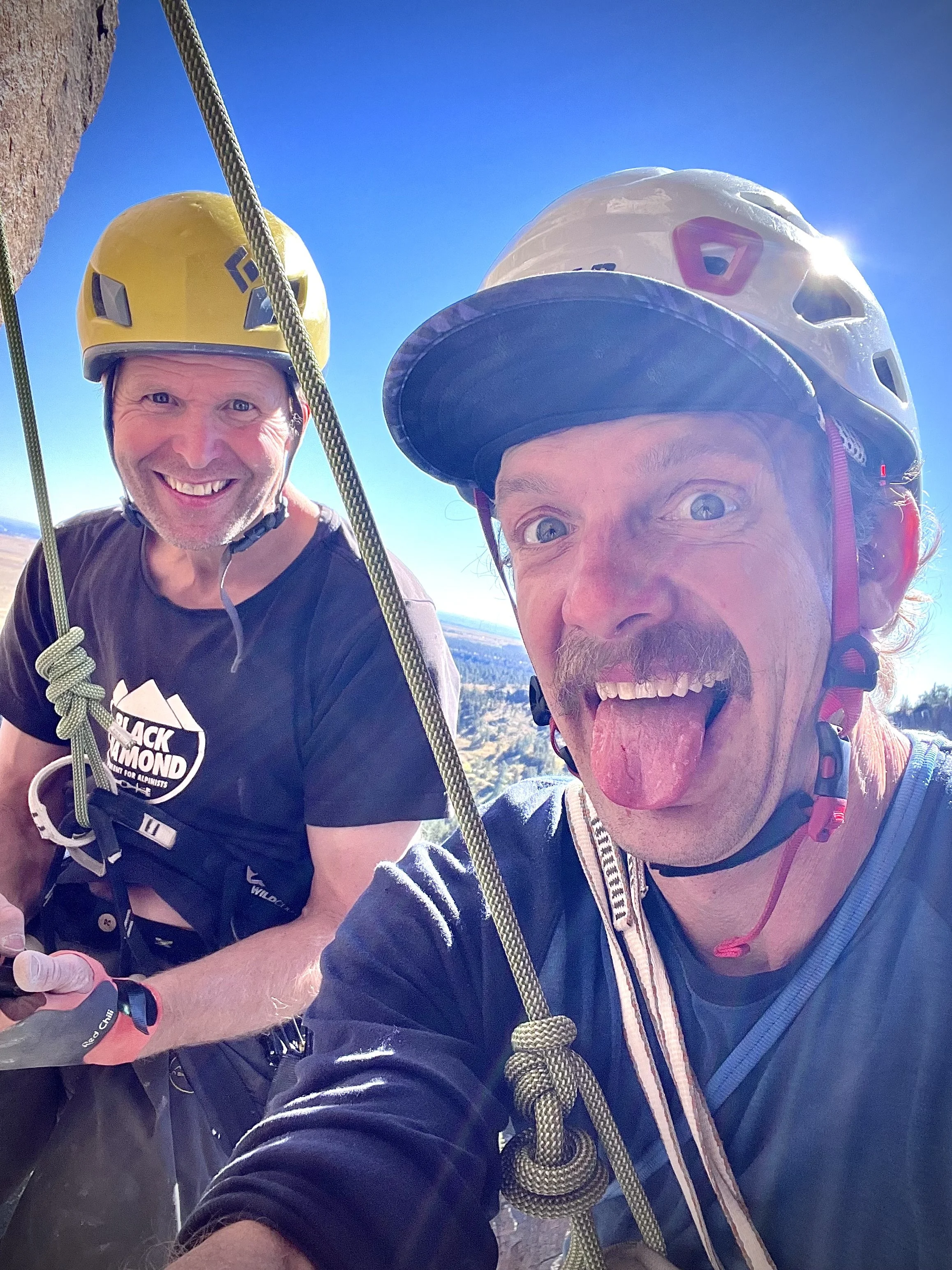
This third category fulfills a deeper, more emotional need. These are the individuals who allow you to feel truly seen and heard. In the risky world of climbing, this emotional security is critical. Non-important climbing days allow us to form deeper bonds of trust with these partners. This trust instills the quiet confidence needed to commit fully to a risky move because you know the person belaying you offers unconditional support, regardless of the outcome.
Example Outcomes:
A partner that values simply enjoying the time together and getting in some good movement, navigating the day without a rigid agenda.
A partner who has a similar goal of just getting outside to enjoy nature, making the adventure the priority over the challenge level.
A partner who is willing to support your project, and in turn, you support theirs, creating a strong reciprocal bond.
Conclusion: Reflecting on Your Partnerships
As we age, performance may become less important and the bond over a shared adventure takes priority. Regardless of your current focus, the people you choose to rope up with will define your experience. They can be the secret ingredient in your greatest sends or the source of your deepest joy.
It’s time to be intentional about your climbing community.
Action Steps:
Reflect and Categorize: Go through your list of climbing partners. For each person, ask yourself: Are they primarily a Performance Accelerator, a Mental Strength Tester, or an Emotional Anchor? Understanding this helps you choose the right partner for the right objective.
Define Your Goal: Before your next climbing day, decide what you need most: a confidence boost, a performance push, or a stress-free day of bonding. Then, instinctively reach out to the specific partner who you know can provide that outcome.
Invest in New Bonds: Make an effort to form one new climbing partnership this season. Seek someone with a different style or perspective. New partners often lead to new discoveries in beta and mindset.
Practice Reciprocity: Think about what you provide to your partners. Do you return the favor by listening, being organized, or providing sincere encouragement? A strong partnership is a two-way street.
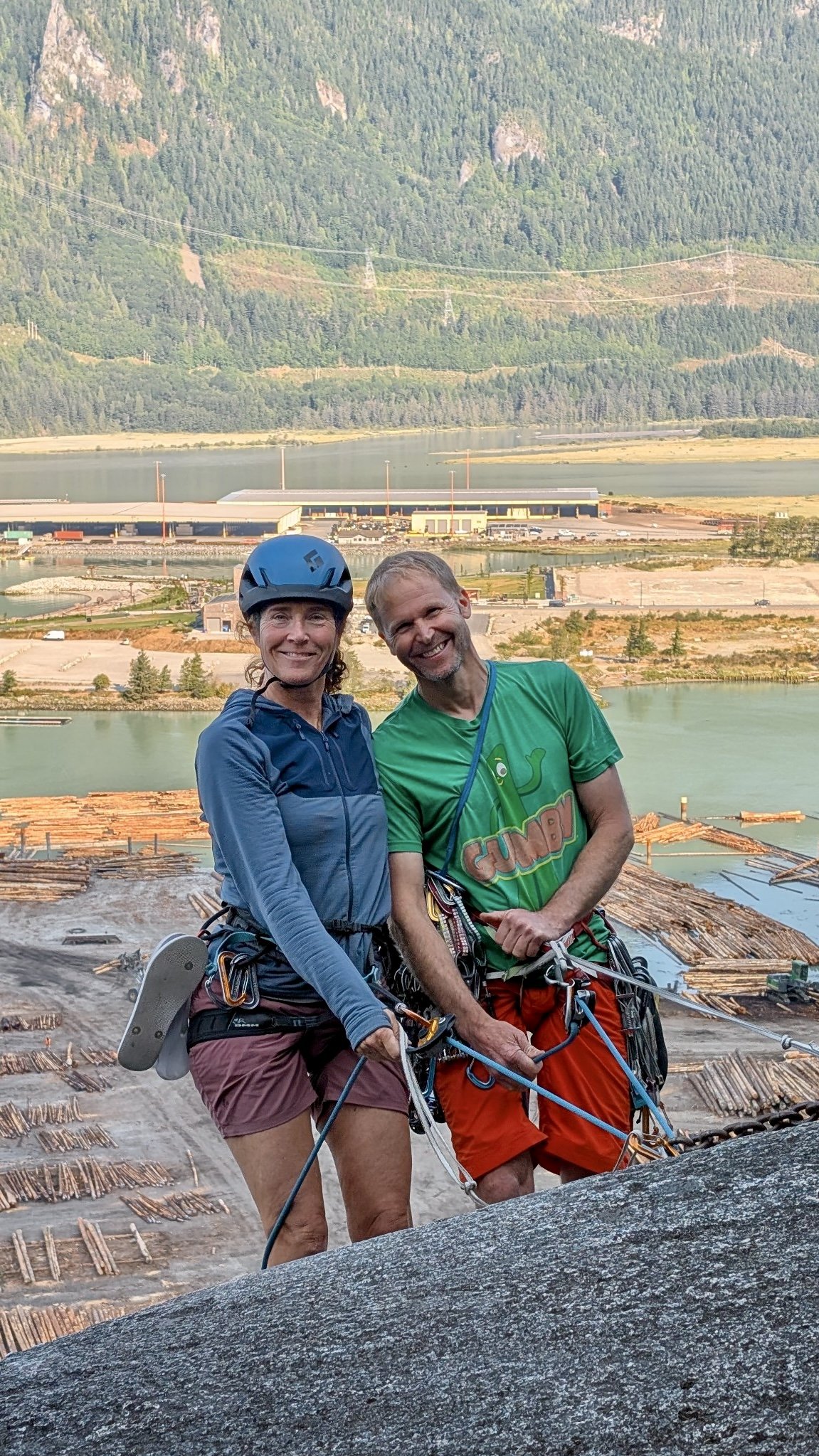
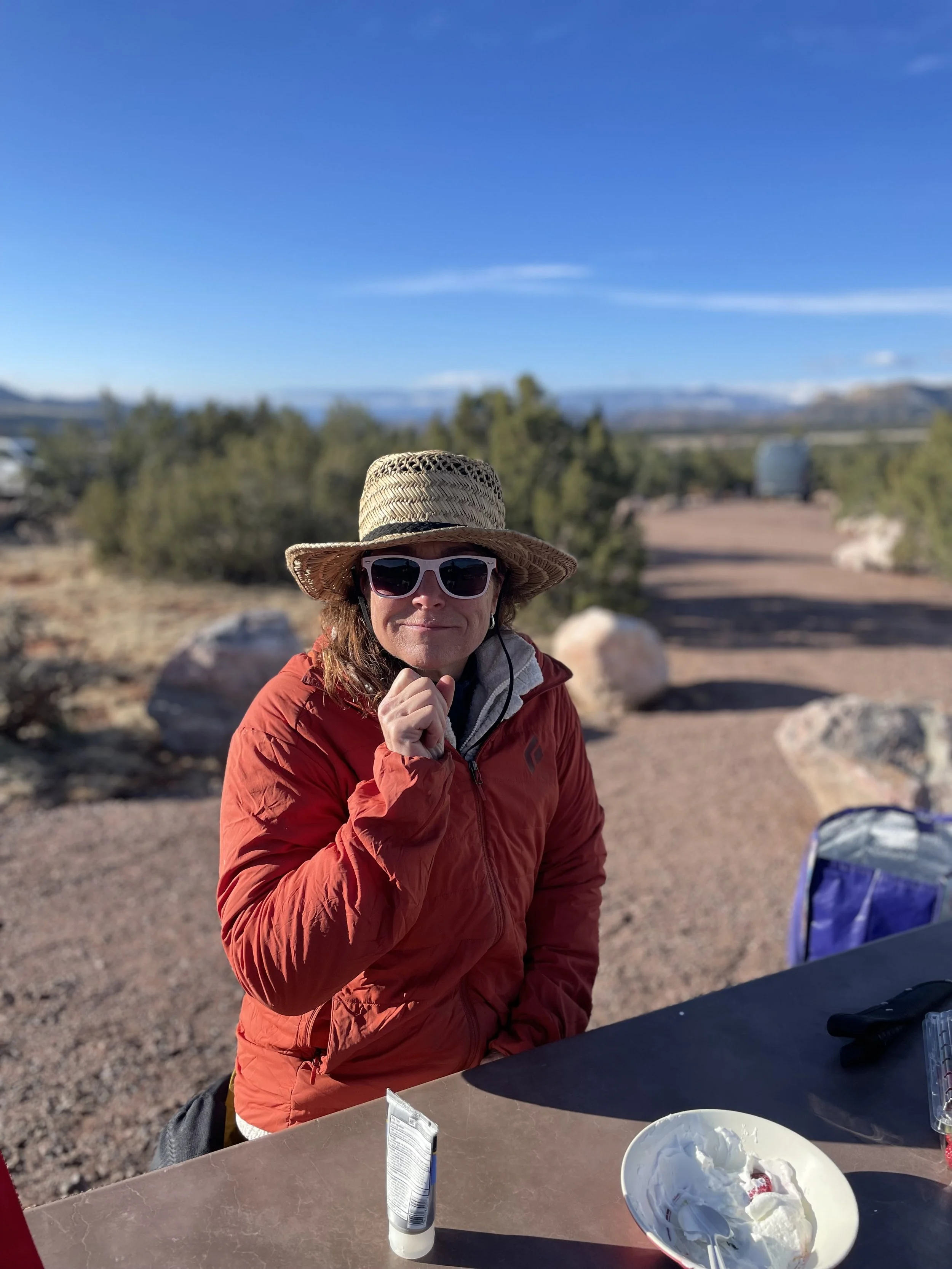
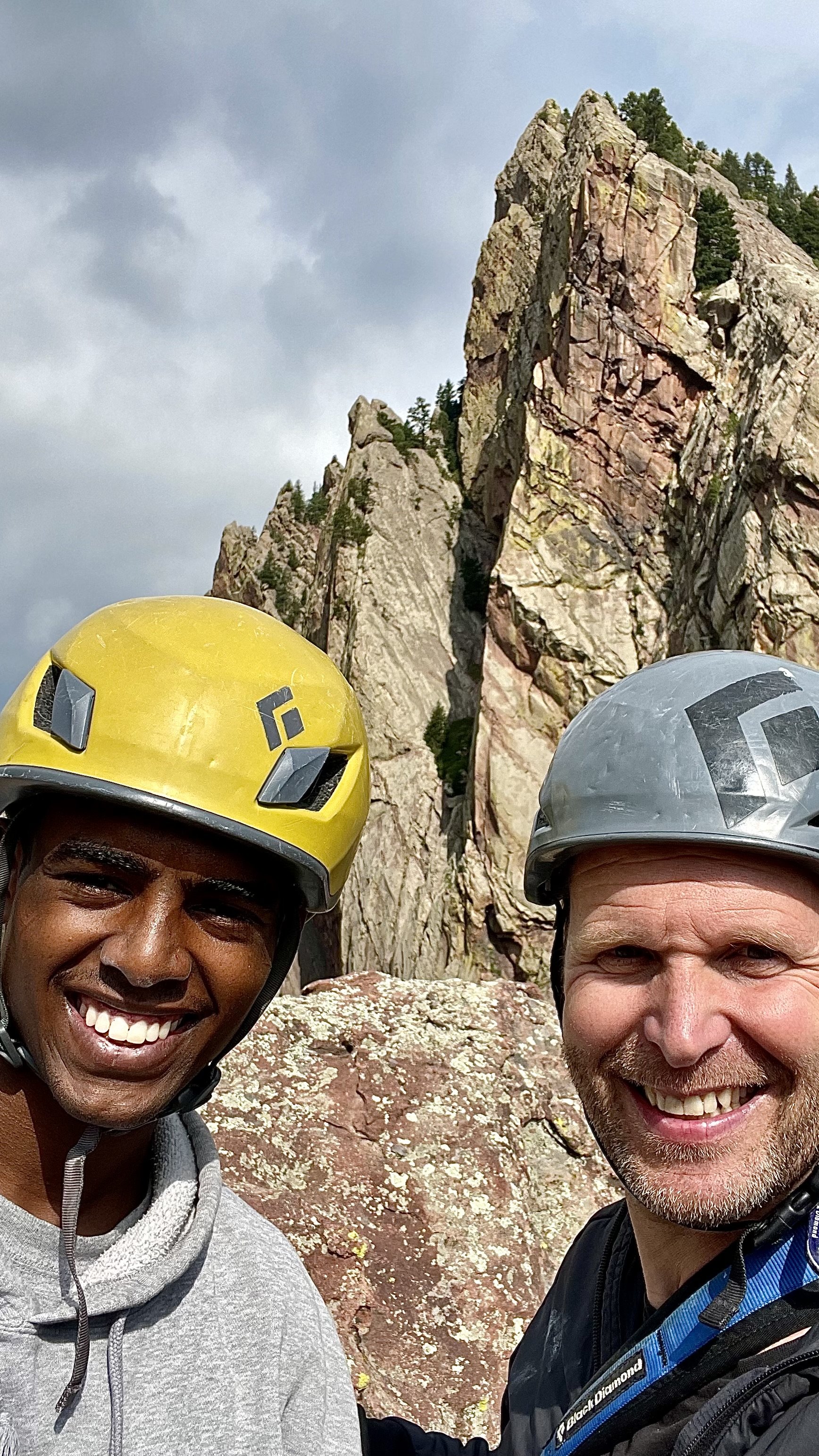
Always fun to get out with the family 🤙.